Welcome to Ethiopia, the Land of Origins
Ethiopia is one of the most fascinating countries in the world—a land where ancient history, breathtaking landscapes, and vibrant cultural traditions come together to create unforgettable travel experiences. As the birthplace of humanity and home to one of Africa’s oldest civilizations, Ethiopia offers a remarkable journey through time. From the majestic peaks of the Simien Mountains and the mighty Blue Nile to the ancient rock-hewn churches of Lalibela, historic cities, diverse indigenous cultures, and dramatic natural wonders, Ethiopia is a destination like no other.
Discover Ethiopia’s timeless heritage, extraordinary landscapes, and the warm hospitality of its people with Extraordinary Ethiopia Tours.

Nature at Its Most Dramatic
Explore Ethiopia’s breathtaking diversity of landscapes, from rugged highlands and volcanic valleys to pristine lakes, lush forests, and powerful waterfalls. Discover the spectacular Blue Nile Falls, dramatic Simien Mountains, and other natural wonders that showcase Ethiopia’s extraordinary beauty.

Cradle of Humanity
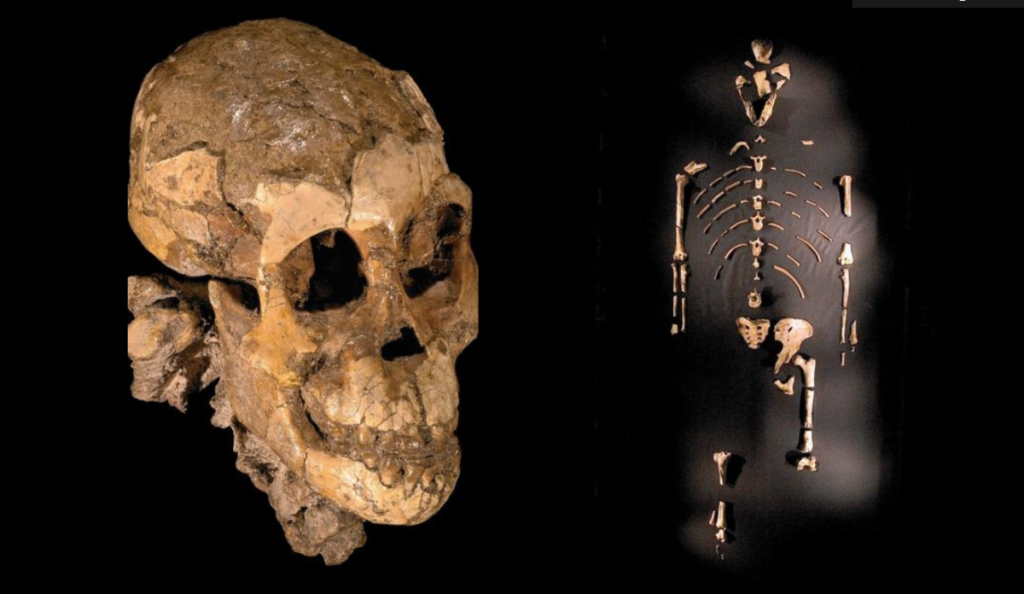
Ethiopia is one of the most fascinating countries in the world—a land where ancient history, breathtaking landscapes, and vibrant cultural traditions come together to create unforgettable travel experiences. As the birthplace of humanity and home to one of Africa’s oldest civilizations, Ethiopia offers a remarkable journey through time. From the majestic peaks of the Simien Mountains and the mighty Blue Nile to the ancient rock-hewn churches of Lalibela, historic cities, diverse indigenous cultures, and dramatic natural wonders, Ethiopia is a destination like no other.
Discover Ethiopia’s timeless heritage, extraordinary landscapes, and the warm hospitality of its people with Extraordinary Ethiopia Tours.
Ancient Civilization
Long before the rise of many of the world’s great civilizations, Ethiopia was already a center of trade, culture, and innovation. The ancient Egyptians knew the region as the Land of Punt, while historic trade routes linked Ethiopia with the Middle East, Asia, and the Mediterranean. The ancient Kingdom of Axum emerged as one of Africa’s greatest civilizations, distinguished by its own written script, minted currency, towering stelae, and extensive international trade and influence.

The Churches of Lalibela
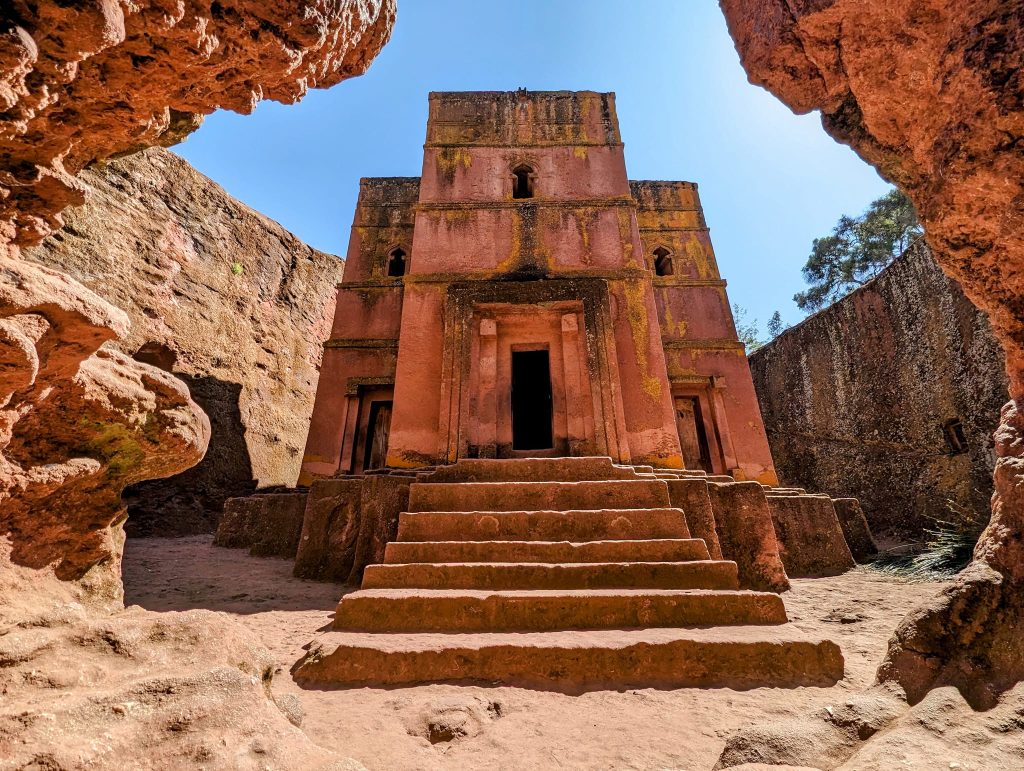
Visit Lalibela, often referred to as the “New Jerusalem,” a sacred destination where history, faith, and extraordinary craftsmanship come together. Built during the reign of King Lalibela in the late 12th and early 13th centuries, this remarkable site is home to 11 magnificent rock-hewn churches, each carved directly from solid volcanic rock. Recognized as a UNESCO World Heritage Site, Lalibela is one of the world’s most remarkable religious and architectural wonders, attracting pilgrims and travelers from across the globe to experience its timeless beauty and spiritual significance.
Early Christianity in Ethiopia
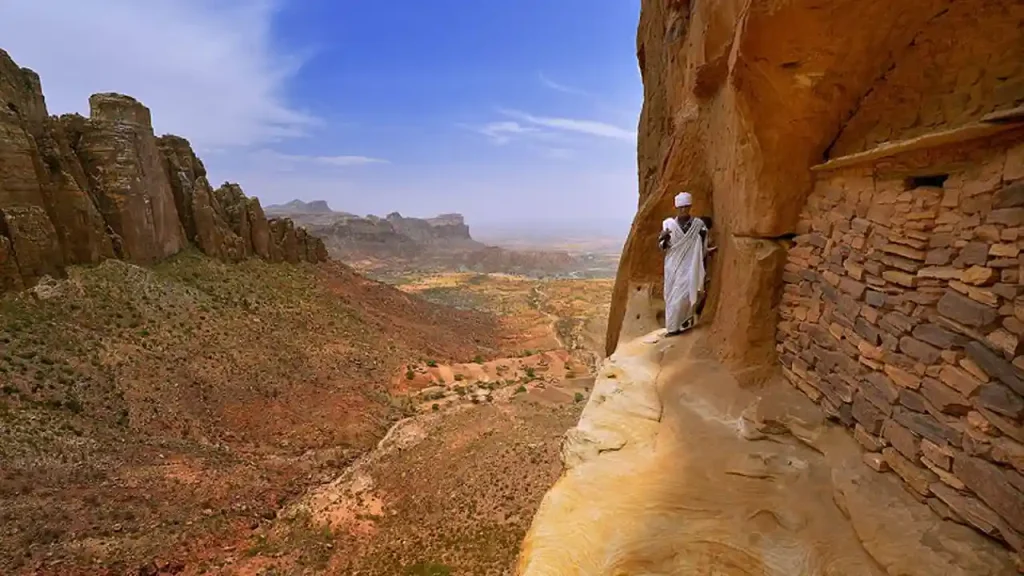
In the 4th century A.D., Ethiopia became one of the world’s earliest Christian nations when King Ezana of the Aksumite Empire embraced Christianity. Centuries later, in the 7th century, the Kingdom of Aksum provided refuge to the first followers of Prophet Muhammad, who sought protection from persecution in Arabia. These historic events reflect Ethiopia’s enduring legacy of religious tolerance, peaceful coexistence, and cultural diversity, making it one of the few places where Christian and Islamic traditions have flourished side by side for centuries.

Heroes of Modern Ethiopia
Ethiopia is one of the few African nations to have successfully preserved its independence during the era of European colonial expansion. In 1896, Emperor Menelik II led Ethiopian forces to a historic victory over the Italian army at the Battle of Adwa, securing the nation’s sovereignty and inspiring anti-colonial movements across Africa and beyond.
In the 20th century, Emperor Haile Selassie I played a pivotal role in Ethiopia’s modernization and international diplomacy. He was a leading advocate for African unity and was instrumental in the establishment of the Organization of African Unity (OAU), now the African Union, headquartered in Addis Ababa. His leadership and global influence helped shape Ethiopia’s modern identity and elevated its role on the international stage until 1974.
The Imperial Legacy
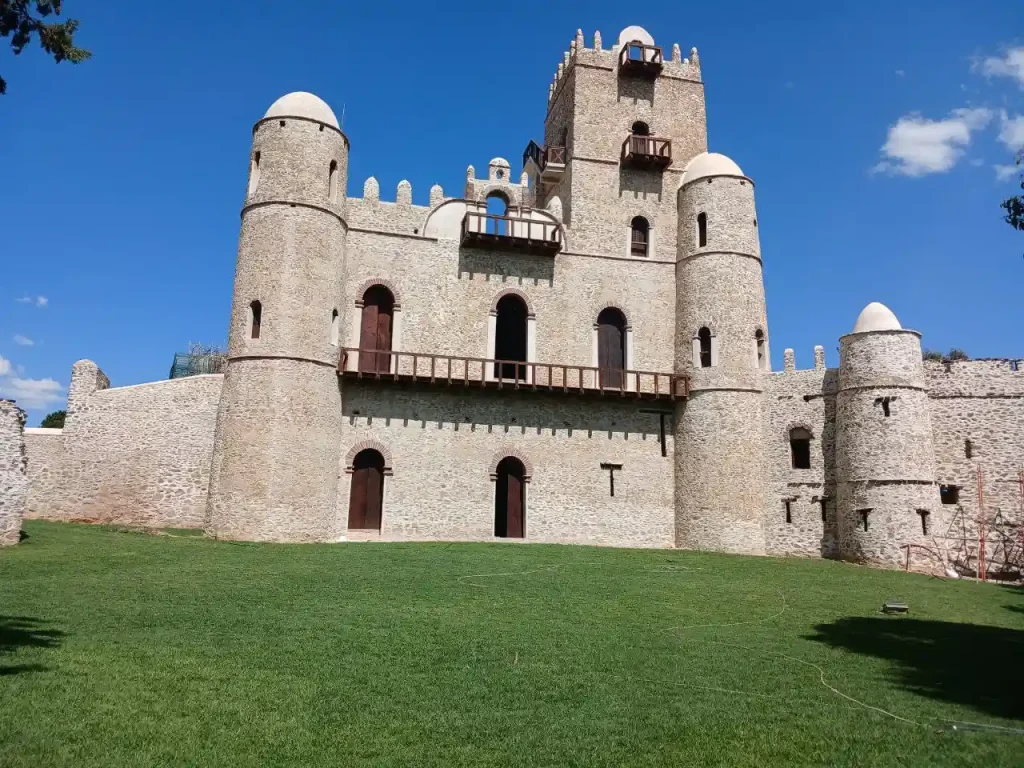
In the 17th century, Emperor Fasilides established Gondar as the new imperial capital, transforming it into a center of religion, art, culture, and architecture. During this period, the city flourished as a major political and cultural hub, known for its impressive castles, churches, and royal compounds.
Today, the historic castles and churches of Gondar remain among Ethiopia’s most important cultural attractions, offering visitors a glimpse into the country’s rich imperial heritage.