The Hamer people have the most fascinating traditional Bull Jumping ceremonies. The culturally diverse, immaculately colorful and defiantly traditionalist agro-pastoralists who inhabit the region seem to occupy a physical and psychic landscape little different to that of their nomadic ancestors. This is Africa as it once was, or as some might still imagine it to be, and its mere existence is at once wonderful and scarcely credible. It seems facile to label South Omo as a living museum. Yet in many senses, that is exactly what it is. Four of Africa’s major linguistic groups are represented in the region. All in all, depending on where one draws the lines, as many as two-dozen different tribes occupy South Omo, some numbering tens of thousands, others no more than 500, each one of them culturally unique.
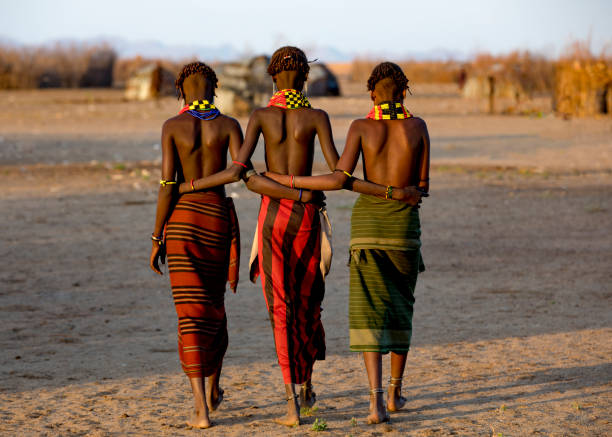
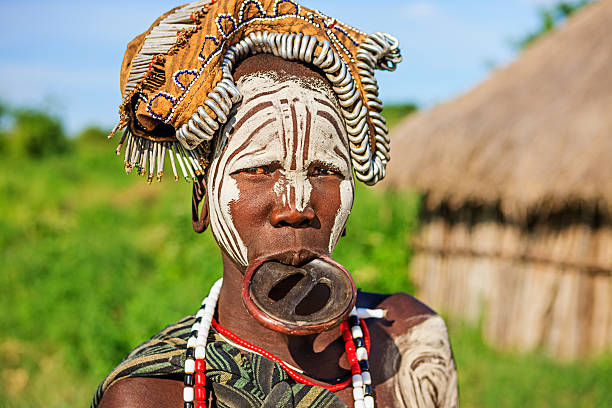
The most renowned of the Omotic-speakers are the Mursi, famed for their practice of inserting large clay plates behind the lower lips of their women. Other important groups of South Omo include the Hamer-Bena, the Karo and the Ari, whose cultures and quirks of adornment-body scarring, body painting. Romanticize or condemn it, South Omo is there, it is fascinating, and it is utterly unique. Other tribes of the Omo Valley include the Tsemai, Dassenech and Erbore, all with their own unique cultures and rituals that have stood the test of time.
Arba Minch marks the entry point to the Omo Valley. Nearby Lake Chamo is home to the “crocodile market”, one of the best displays of crocodiles in all of Africa. Not far from Arba Minch are the Dorze people, living high in the Gughe Mountains with their beehive-like huts, and the Konso, known for their wooden totem-like erections placed in honor of past warriors.



 Creative Web ET